Based on the latest information as of 2026, the global landscape for cannabis compliance or partial compliance is as follows, with significant variations and ongoing changes in national policies.
🌍 Countries with Full Legalization of Recreational Cannabis
The following countries have legalized recreational (adult-use) cannabis nationwide, regulating its production, sale, and consumption:
Uruguay: The first country globally (2013) to fully legalize cannabis production, sale, and consumption.
Canada: Established a nationally regulated commercial system starting in 2018.
Mexico: The Supreme Court ruled in 2021 that banning recreational cannabis was unconstitutional, leading to nationwide legalization.
Georgia: Recreational cannabis is legal.
Germany: Since April 2024, adults are permitted to possess a limited amount and cultivate at home.
Malta, Luxembourg: Have legalized recreational use, but typically only allow limited personal use and home cultivation.
⚠️ Countries with Special or Reversed Policies
Thailand: Cannabis was legalized in 2022, but due to concerns over misuse, policies were significantly tightened between late 2024 and 2025. It is currently legal only for medical purposes, with recreational use once again prohibited.
Netherlands: Has long operated a "tolerance policy," allowing small-scale sale and consumption in designated coffee shops (e.g., possession of up to 5 grams is tolerated), but production and large-scale wholesale remain illegal.
United States (Legalization by State)
Cannabis remains a controlled substance under U.S. federal law, but state laws vary widely:
Recreational Cannabis Legal: 24 states and Washington D.C. have passed laws legalizing recreational use. These include Alaska, Arizona, California, Colorado, Connecticut, Delaware, Illinois, Maine, Maryland, Massachusetts, Michigan, Minnesota, Missouri, Montana, Nevada, New Jersey, New Mexico, New York, Ohio, Oregon, Rhode Island, Vermont, Virginia, and Washington.
Medical-Only Cannabis Legal: An additional 15 states have legalized cannabis for medical use only.
Federal Policy Update: In December 2025, President Trump signed an executive order initiating the process to reschedule cannabis from a Schedule I to a Schedule III controlled substance at the federal level, signaling a potential policy shift.
Tips:
The Role and Use of Humidity Packs:
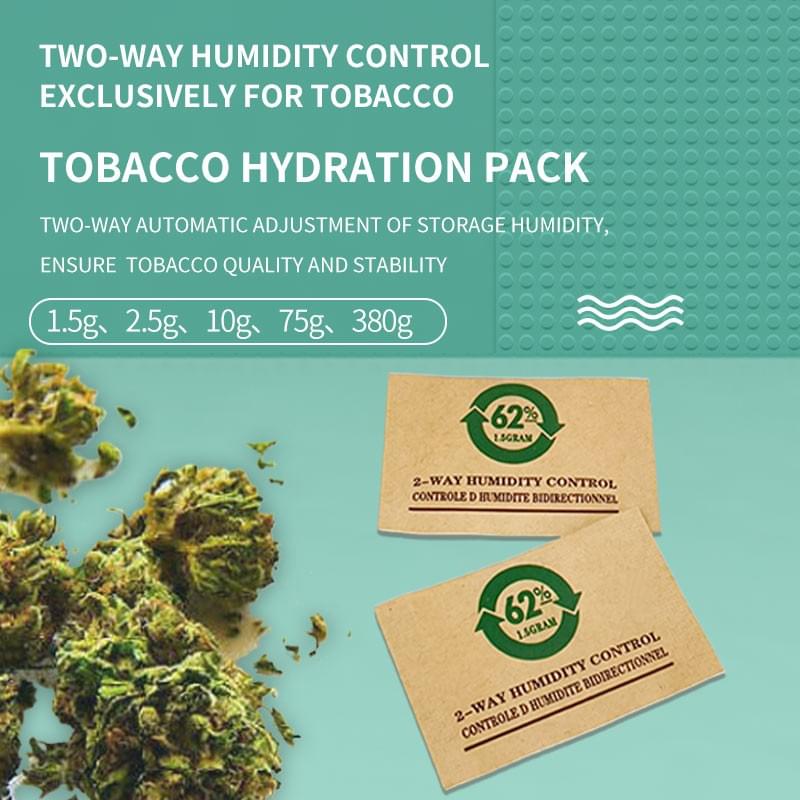
Humidity packs (typically referring to 2-way humidity control packs containing a saturated salt solution, suach as HUAWIN Technology's two way humidity control packs) act as automatic humidity regulators. They are crucial for successful curing and storing as they actively maintain the environment's humidity within a precise range (e.g., the ideal 55%-62% relative humidity).
Two-Way Regulation:
If the humidity inside the bag rises above the pack's set point, it absorbs excess moisture. If the humidity drops below, it releases moisture. This intelligent regulation effectively prevents buds from becoming too dry and brittle or too damp and prone to mold.